

Is Digital Marketing Really for Me?
You’ve heard it a hundred times: “You need to be online to grow your business”.
Or perhaps you’re a small local business. Or an individual consultant. Or an established business that’s been around for years, just doing fine by word of mouth. You wonder – does digital marketing fit my needs?
The honest answer? Yes, regardless of your products or services and regardless of who you serve and regardless of how long you’ve been in business.
Digital marketing is not just reserved for the large businesses with large budgets. It can be used by the corner bakery, family law firm, e-commerce start-up, or Fortune 500 company.
In this article, we’ll deconstruct who needs digital marketing services, what their pain is, and how you may be losing real customers by not making the investment now.
What Are Digital Marketing Services, Exactly?
Let’s start by explaining what we’re talking about before we get to the question of who needs it.
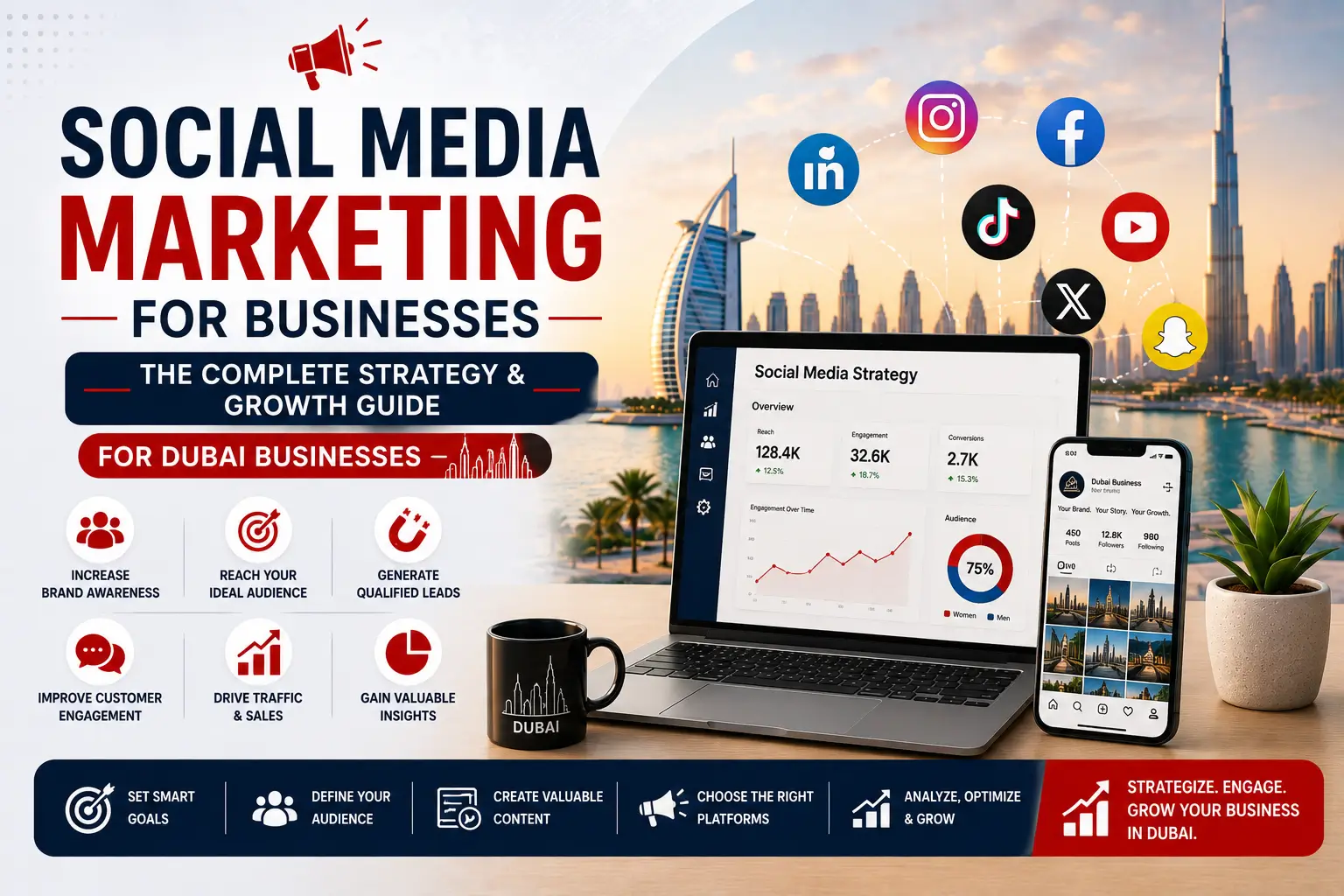
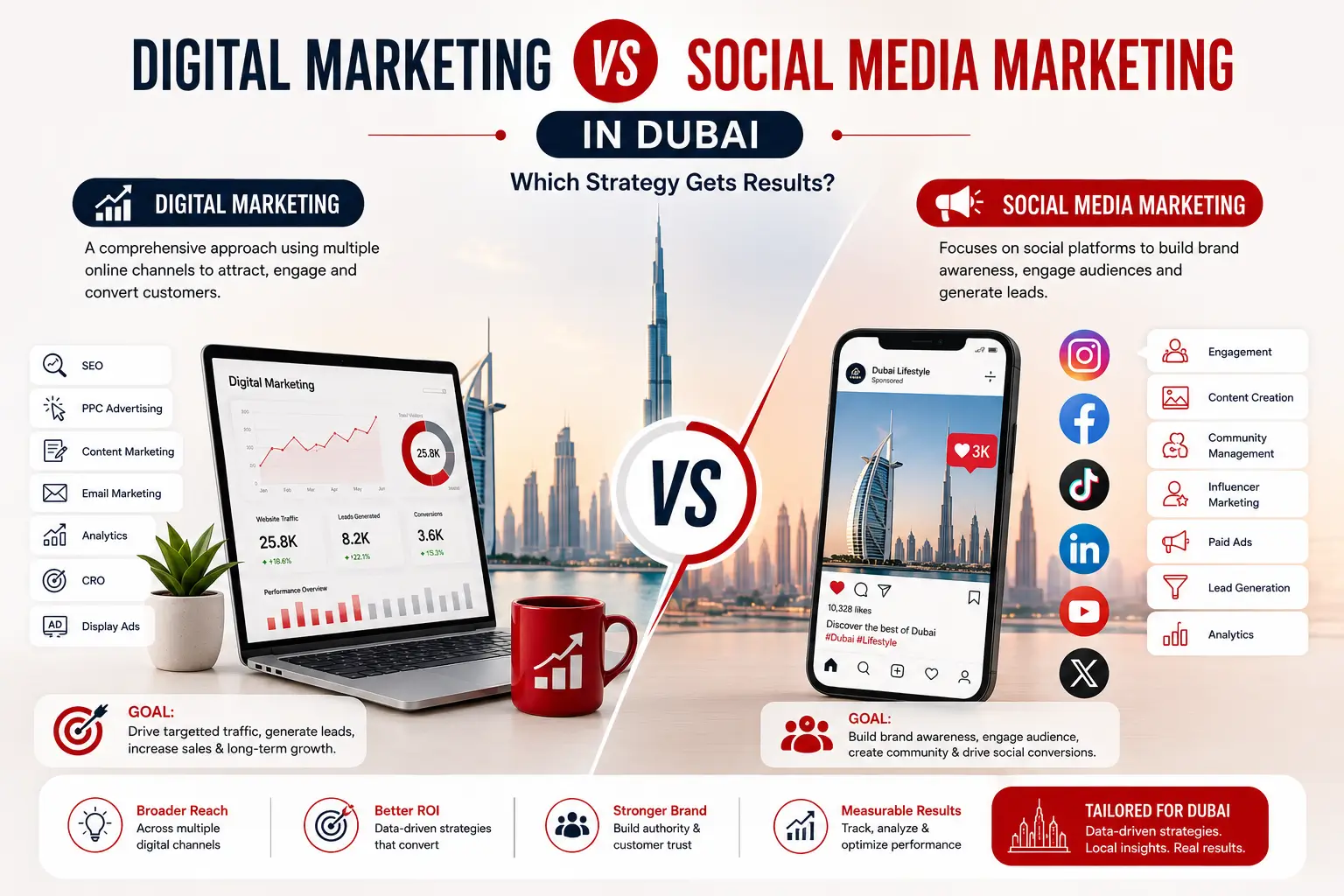
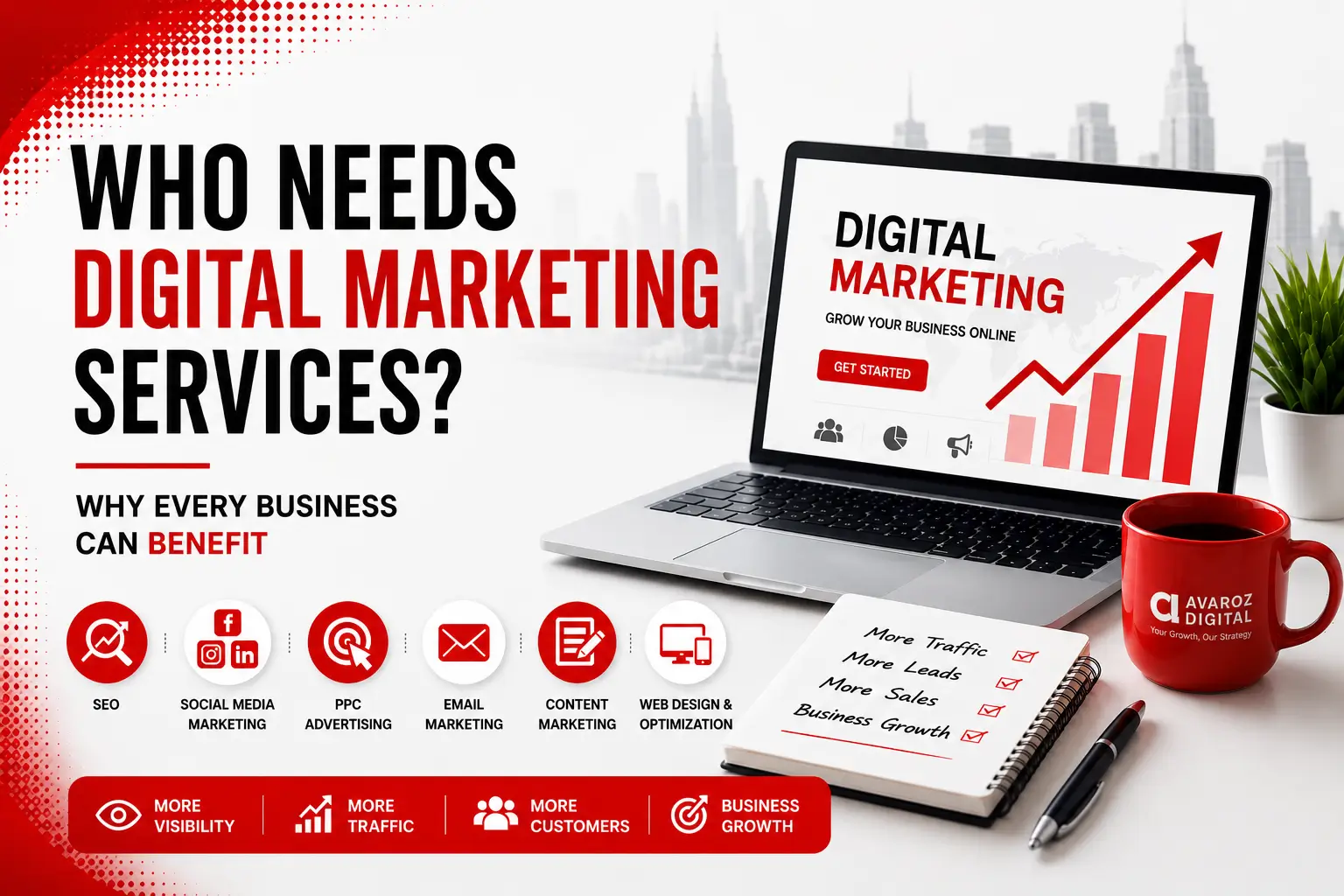
Digital marketing services refer to the strategies and tools that are employed to promote a business on the internet. This includes:
- SEO (Search Engine Optimization) – the ability to be found on Google.
- Social media marketing — building your brand on social media channels such as Instagram, Facebook, and LinkedIn
- Pay-per-click advertising (PPC) – targeted paid ads on Google, or social media.
- Email marketing — keeping in touch with customers and prospects.
- Content marketing, which involves producing blogs, videos and guides that draw in your audience.
- Don’t forget Web design and conversion optimization; converting people on your site into paying customers.
Together, these services help businesses get seen, get trusted, and get more customers online.
Who Needs Digital Marketing Services?
The short answer is: if you have customers, you need digital marketing. But let us get more specific.
1. Small and Local Businesses
“People just don’t know we exist.”
This is one of the most prevalent challenges faced by small businesses. You may have a wonderful product or service, but if people don’t find you when they look for it online, you are invisible to a large portion of potential customers.
Consider how consumers search for neighborhood businesses these days. They don’t thumb through the Yellow Pages. They search for ‘plumber near me’ or ‘best pizza in [city]’ on Google and choose the first couple of results.
If your business doesn’t appear there, your competitor is getting the call.
With digital marketing, particularly local SEO and Google Business Profile optimization, small businesses can be on the front foot, targeting consumers who are looking to buy locally. It doesn’t require a lot of budget. All you have to do is be in the right place at the right time where the customer is.
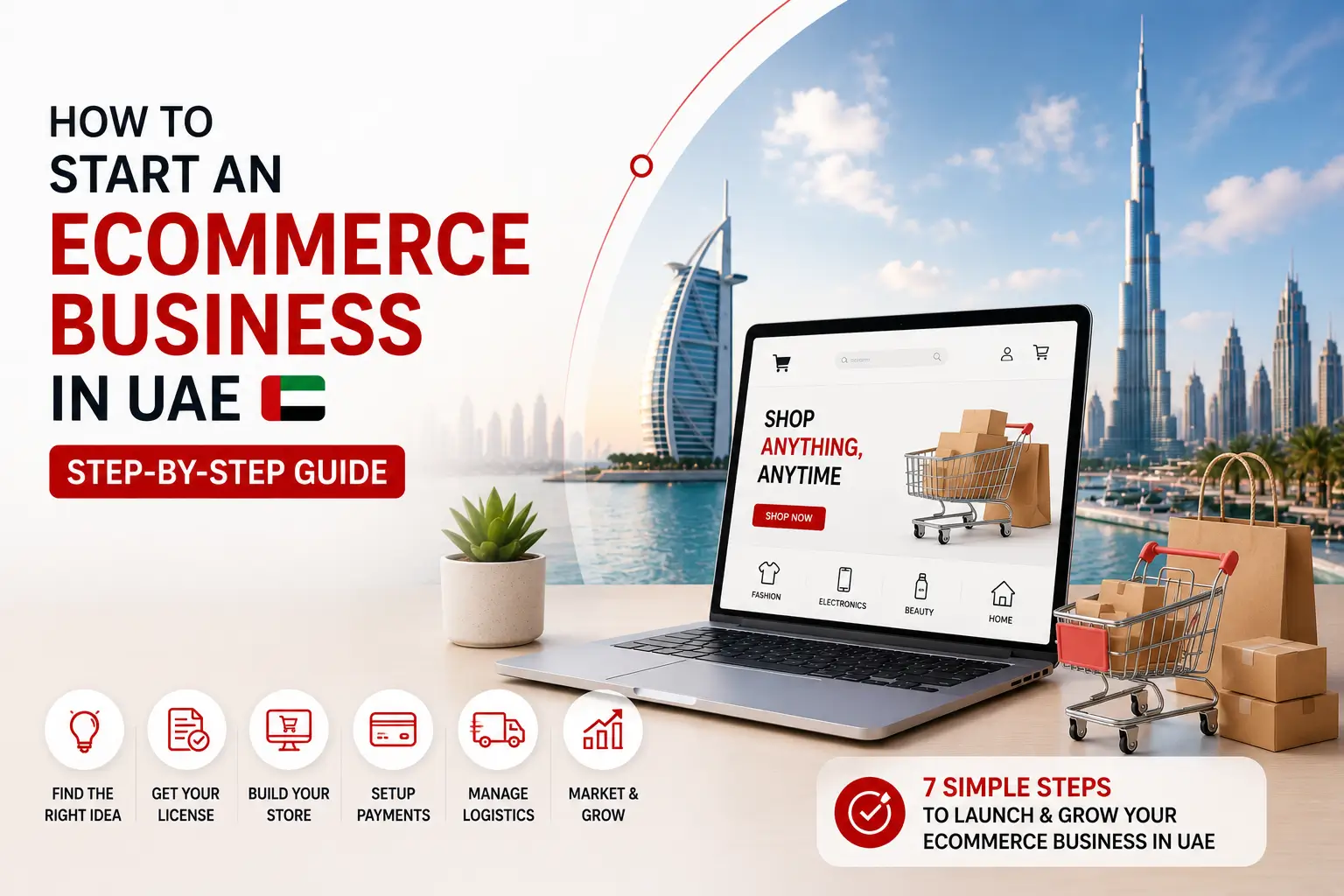
2. E-Commerce Businesses
In ecommerce business owners sometimes feel “We get website visitors, but they are not buying.”
It’s more competitive than ever to run an online store. Customers have more than a thousand options for every category of products. It’s difficult to get traffic. Turning those into real sales is even more difficult.
Digital marketing does away with both of these issues. SEO and paid ads will attract traffic to your store; they will be people who are already looking for the things you offer. Email marketing can help retain customers who abandoned their carts without purchasing anything. With conversion optimization, you ensure that your website is both easy to navigate and inspiring enough to get your visitors through the door.
Most ecommerce businesses are losing money every day with no digital marketing strategy.
3. Service-Based Businesses
Service based businesses questions “I rely on referrals, but I want more consistent leads.”
Referrals are great. However, they’re volatile. There are times when the month is busy, there are times when the month is slow, and you can’t control it.
Digital marketing is a huge benefit for service oriented businesses such as lawyers, accountants, marketing agencies, cleaning companies, real estate agents, and consultants, due to the fact that it generates leads on a consistent basis that is predictable.
When people require a divorce lawyer, a tax accountant, or a house cleaner, they start looking online. They read reviews. They check websites. They compare options. If your business isn’t around at this moment, then it doesn’t exist in their decision-making process.
Digital marketing is a way to reach those people at the right time.
4. Startups and New Businesses
Startups struggle with “No one knows our brand yet.”
As a beginner, you are lacking reputation, word of mouth and customers. Creating awareness from scratch is probably one of the most difficult tasks for any new business.
The most cost effective way is digital marketing.
Social media marketing is a great way to create a brand personality and start attracting followers without breaking the bank. Content marketing is a way to build trust when you provide valuable content rather than sales pitches. PPC advertising provides you with immediate exposure, whilst your organic efforts take time to grow.
New businesses face the risk of squandering months on waiting for organic growth, or spending precious advertising dollars on traditional channels that offer little measurable value or targeting opportunities without digital marketing.
5. B2B Companies
B2B companies complain “Our sales cycle is long, and leads are hard to find.”
Business-to-business companies have different challenges. They are not customers who are making fast buying decisions; they are busy professionals who do their research, compare vendors, and take weeks or months to make a decision.
Digital marketing connects with B2B buyers on LinkedIn, on Google, on industry blogs, and in their email inboxes, among other places, where they do their research.
It takes time to establish authority and trust through content marketing. You can connect your brand to decision makers by title and company size on LinkedIn. Email nurture sequences ensure that you stay top-of-mind in a lengthy sales funnel. SEO ensures your company is considered a viable solution when a procurement manager is looking for one.
If you’re not using digital marketing in your B2B business, you’re missing out on a lot of money.
6. Healthcare and Medical Practices
The healthcare sector faces challenges like “Patients choose us based on trust. How do we build that online?”
Patients are researching online before calling you – whether you have a dental practice, a physiotherapy clinic, a private GP surgery, or a mental health service, they are researching on the internet first before picking up the phone.
They check out Google reviews. They examine your website. They’ve read what your team has to offer. They don’t want to feel comfortable first, and then make a commitment.
Healthcare providers can build that trust online with digital marketing, particularly local search optimization, reputation management and a professional website. Digital practices that take an active approach to their online image will be better able to generate new patients and keep existing ones.
7. Real Estate Agents and Property Businesses
Real estate agents struggle with “The market is competitive, and every lead matters.”
Purchasing or renting a residence is one of the biggest decisions which people make. They go to great lengths online, looking at listings, reading neighbourhood guides, watching property videos and reading agent reviews.
Those real estate pros who use social media, local SEO, video content, and ads that target the right people are always there. If they don’t, then they are out of sight and out of mind once the buyer is ready to contact them.
8. Restaurants, Cafes, and Hospitality Businesses
The owners often feel “We need a steady flow of customers, not just weekends.”
People are looking for food, drink and accommodation online all day long. The dining decision is made on Google Maps, Instagram, TripAdvisor and Google Search.
If those businesses appear prominently with good photos and reviews and correct information, restaurants and hospitality businesses get booked. Those who don’t totally depend on foot traffic and hope, which is a risky business strategy.
Digital marketing for the hospitality industry does not have to be daunting. A well optimised Google Business Profile, a social media account on Instagram and a straightforward email list for promotions can make a significant impact in terms of foot traffic and bookings.
9. Non-Profits and Charities
“We need to reach more donors and volunteers without a big budget.”
Non-profits typically think that digital marketing is too pricey or too commercial for their business. However, digital marketing is one of the most cost-effective tools for businesses with a small marketing budget.
Google even provides a grant initiative to eligible non-profits for up to $10,000 in free Google Ads credits per month. There is no cost to using social media. There are low to no-cost email marketing tools for small list sizes.
Non-profits don’t need a large budget to spread awareness, get donations, recruit volunteers or promote their mission with a good digital marketing strategy.
10. Established Businesses That Have “Always Done It the Old Way”
“Business is okay, but growth has stalled.”
This is likely to be the most significant category of them all.
Some companies have been able to provide for themselves for decades on traditional techniques. Print advertising, word of mouth, trade shows and cold calling. Those techniques are still useful in some situations.
However, consumer behavior is forever changed. Consumers do online research prior to purchase. They research choices on Google. They read reviews. They surf the Net. Those businesses that are not engaged in the discussion are losing out quietly to competitors that are.
Digital marketing doesn’t mean the end of tried and tested methods. It is about introducing a new, powerful layer that is not seen in conventional ways by the customers.
The Common Pain Points Digital Marketing Solves
No matter the type of business, there are a few recurring issues that digital marketing can directly solve:
“Not enough leads are coming in.” You don’t rely on one source of lead generation, organic search, paid ads, social media, and email, as they are each digital channels that are consistent with each other.
“We have traffic on our site, but nobody buys or calls.” Conversion rate optimization, improved copywriting and user experience will convert passive visitors to active customers.
“We are not visible on the internet.” By including SEO, local search optimization and social media marketing, you’re visible in the places that your customers are looking.
“They’re not informing us of what’s working in our marketing.” The thing about digital marketing is that it is measurable to the extent that traditional marketing is not. You can measure how many leads are coming from where, what content converts to the site, and what your ROI is, down to the penny.
“Customers are going elsewhere because of the competition.” When consumer habits change, you should stay visible and active online so you’re always a target in your market.
But I Have a Small Budget, Can Digital Marketing Still Work for Me?
Yes. Absolutely.
Mistake #1 when it comes to digital marketing is that it takes a lot of money to work. This is not right, particularly at the prep stage.
These are the things you can do for free or for very little money:
- Set up and optimise your Google Business Profile (free)
- Begin a basic blog for keywords that customers are looking for (free)
- Start building an e-mail list and keep in touch with people on a regular basis (it’s complimentary to start!).
- Make regular posts on one or two social media platforms (free).
As the business expands, you can dedicate more funds to paid ads, high-quality content and advanced search engine optimization. There are no pre-requisites, however, you don’t have to begin there.
The key to success is to begin. Any week that goes by without you putting in the effort to establish your online presence is a week your competitor is doing it.
Conclusion
Your potential customers are searching online via Google, scrolling social media and reading reviews every day, and they are making purchasing decisions online.
When it matters most, your business isn’t there; someone else is. A competitor that began investing in digital marketing months or years ago is receiving all the clicks, calls and sales you could be getting.
Digital marketing isn’t restricted to tech firms and large brands. It’s for all businesses that wish to grow and compete in a world that has gone online.
It’s the same opportunity, whether you’re a one-person freelancer or a 200-person company. The only question lies in whether you’re going to take it.
Frequently Asked Questions
Which kind of business is best suited for digital marketing?
All businesses benefit, but businesses that depend on the customers getting to them, such as local services, ecommerce, healthcare, real estate and hospitality, tend to see the most measurable results, and most rapidly. Yes, digital marketing can be great for you if your customers are on Google or social media (which they most likely are).
What is the budget of a small business for digital marketing?
While there’s no rule on the exact percentage, a general guideline is to spend 5–10% of your income on marketing. If your business is very small, the $300-$500/month that you’re spending on the proper channels can make a significant difference. Get started, test and expand.
Does Digital Marketing Deliver for a business in a niche industry?
Usually superior to the broad industries. Niche businesses have less competition online, so it’s easier and more affordable to get the business ranked on Google and run more effective ads. Quality marketing, done correctly, can create a lot of authority in a niche market in a short amount of time.
When will I get results from digital marketing?
This is dependent on the channel. You can achieve results from paid advertising within days. SEO takes 3–6 months to yield any real results. Social media and email marketing take time to develop. A comprehensive approach involves having short-term wins and long-term growth.
Do I have to be present on all social media platforms?
No, and when you try to be everywhere, it often doesn’t work everywhere! Pay attention to the one or two platforms your customers are on! Instagram is a must-have for a restaurant. For a B2B company, the best place to focus is on LinkedIn. Google should be a local service business’s top priority and not social media.
What if I have used digital marketing in the past and it wasn’t successful?
It’s much more frequent than you’d expect and typically one of these three things: you’re using the wrong approach for your audience, you aren’t doing it consistently, or you’re looking for results too soon. It’s a different kind of approach that takes time, patience and data to come up with a strategy, rather than dumping money into ads for the sake of the ads
